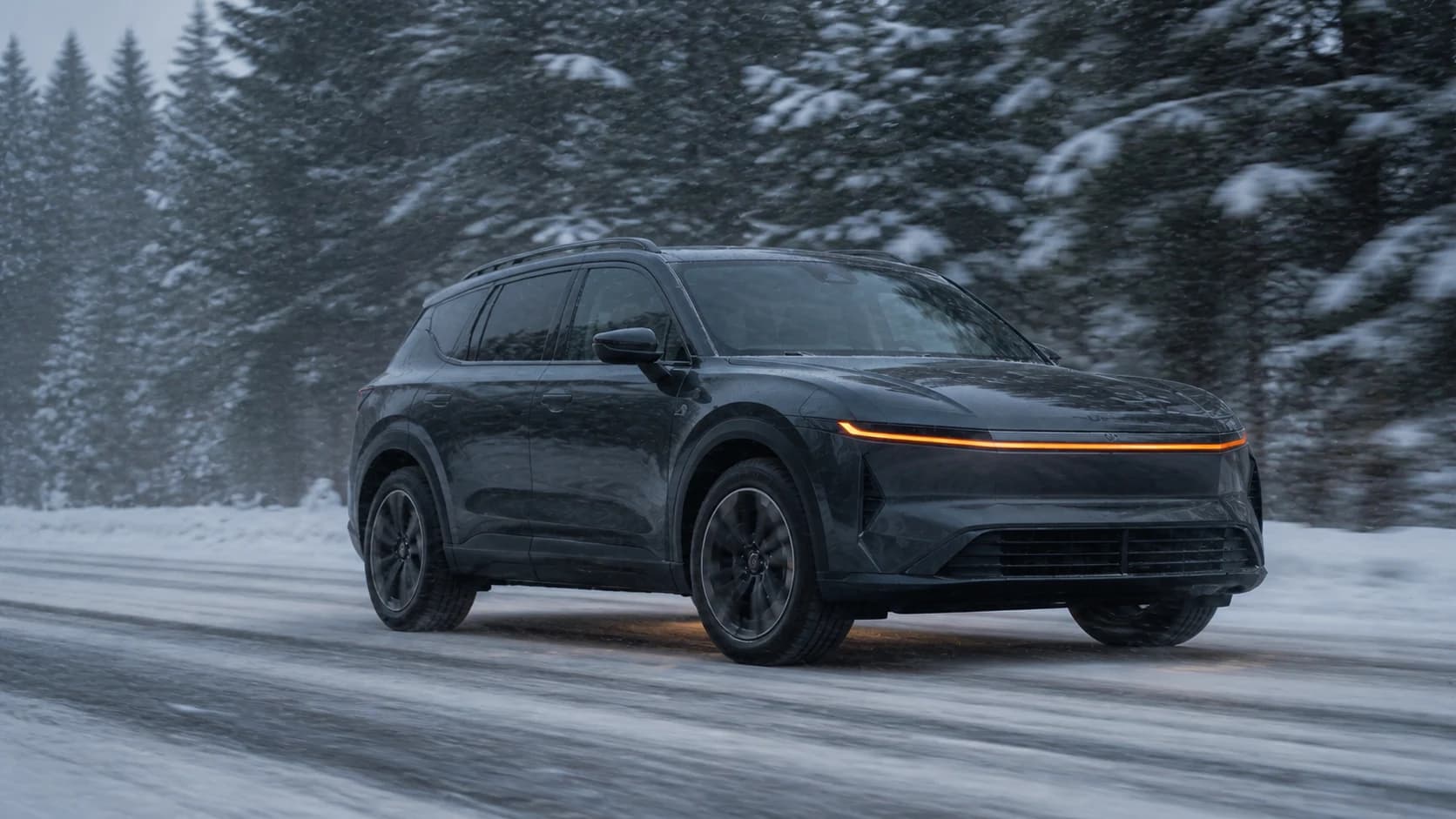
Veltrix publishes a cold-weather range figure next to every EPA figure, measured at 20°F on the same 112-mile loop at Meridian Proving Ground, with the tires the vehicle ships on. The Arcen returns 312 miles against its 361-mile rating. The Korrin returns 274 against 318. That is a loss of roughly 14 percent, and it is honest rather than optimistic.
Where the energy actually goes
Three places, in this order. Heating the cabin is the largest draw, which is why a heat pump — standard on every Veltrix — matters more than any other single component in winter. Battery conditioning is second: a cold pack has higher internal resistance and must be warmed before it will accept or deliver full power. Rolling resistance is third, and it is the one nobody mentions: cold air is denser and cold rubber is stiffer.
Four things that genuinely help
None of these are exotic, and together they recover most of the difference.
- Precondition while plugged in. Warming the cabin and pack from the wall rather than from the battery is the single largest saving available to you.
- Use seat and wheel heating before cabin heating. Heating a person costs a fraction of heating the air around them.
- Navigate to chargers rather than driving to them. The vehicle will warm the pack en route and charge at full rate on arrival.
- Check tire pressures monthly. Pressure falls about 1 PSI for every 10°F drop, and underinflated tires cost range in every season.
Planning a winter trip
Plan against your cold-weather figure, not your EPA figure, and add a margin of 15 percent on top for headwinds and elevation. On a Korrin that means planning a 233-mile leg rather than a 318-mile one. In practice, on a route with Current 350 sites, that changes a single 21-minute stop into a single 24-minute stop — which is not the winter penalty most people fear.